產品經理數(shù)據(jù)分析不求人 用Pandas高效處理Excel,賦能3D打印服務優(yōu)化
在當今數(shù)據(jù)驅動的商業(yè)環(huán)境中,產品經理不僅需要敏銳的市場洞察力,更需要掌握高效的數(shù)據(jù)分析工具來驗證假設、驅動決策。對于涉及復雜定制化流程的行業(yè),如3D打印服務,數(shù)據(jù)更是優(yōu)化產品、提升客戶體驗和運營效率的核心資產。本文將介紹產品經理如何利用Python的Pandas庫,擺脫對數(shù)據(jù)工程師或分析師的過度依賴,自主、高效地處理和分析源自Excel的3D打印服務數(shù)據(jù),實現(xiàn)“數(shù)據(jù)分析不求人”。
一、 為什么產品經理需要掌握Pandas處理Excel?
3D打印服務業(yè)務通常涉及海量數(shù)據(jù):客戶訂單(模型文件、材料、精度要求)、生產數(shù)據(jù)(打印時間、耗材用量、設備狀態(tài))、供應鏈數(shù)據(jù)(材料庫存、供應商)、以及市場與客戶反饋數(shù)據(jù)。這些數(shù)據(jù)往往最初以Excel表格形式記錄和流轉。傳統(tǒng)的手工Excel操作(如VLOOKUP、篩選、透視表)在處理大規(guī)模、多維度數(shù)據(jù)時,不僅效率低下,而且容易出錯,難以進行復雜的趨勢分析和模型構建。
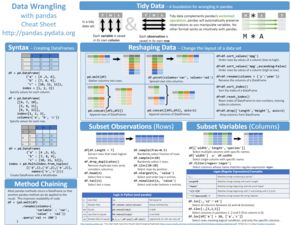
Pandas作為Python的核心數(shù)據(jù)分析庫,提供了強大而靈活的數(shù)據(jù)結構(DataFrame)和函數(shù),能夠:
- 自動化處理:輕松讀取、清洗、合并多個Excel文件,解放人力。
- 處理大規(guī)模數(shù)據(jù):性能遠超Excel,可處理數(shù)十萬乃至百萬行數(shù)據(jù)。
- 深度分析:支持分組聚合、時間序列分析、統(tǒng)計分析等,助力發(fā)現(xiàn)深層業(yè)務洞察。
- 可復現(xiàn)性:代碼腳本確保分析過程可記錄、可審查、可重復,便于團隊協(xié)作與知識沉淀。
二、 Pandas處理3D打印服務Excel數(shù)據(jù)實戰(zhàn)場景
假設您是一名3D打印服務平臺的產品經理,手頭有幾個關鍵的Excel數(shù)據(jù)源:
orders.xlsx:訂單表,包含訂單ID、客戶ID、模型類別、打印材料、報價、下單時間、狀態(tài)等。production_logs.xlsx:生產日志表,包含訂單ID、所用打印機、實際打印時長、耗材用量、是否失敗、失敗原因等。customer_feedback.xlsx:客戶反饋表,包含訂單ID、評分、文字評價等。
場景1:快速數(shù)據(jù)整合與清洗
使用Pandas讀取并初步探索數(shù)據(jù)。
`python
import pandas as pd
讀取Excel文件
ordersdf = pd.readexcel('orders.xlsx')
productiondf = pd.readexcel('productionlogs.xlsx')
feedbackdf = pd.readexcel('customerfeedback.xlsx')
查看數(shù)據(jù)概況
print(ordersdf.info())
print(ordersdf.head())`
接著,進行數(shù)據(jù)清洗,例如處理缺失值、統(tǒng)一格式、去除重復訂單等。
`python
# 處理缺失值:例如,填充缺失的客戶ID為“未知”,或刪除關鍵信息缺失的訂單
ordersdf['customerid'].fillna('Unknown', inplace=True)
# 統(tǒng)一時間格式
ordersdf['orderdate'] = pd.todatetime(ordersdf['order_date'])
# 去除完全重復的行
ordersdf.dropduplicates(inplace=True)`
場景2:關聯(lián)分析與核心指標計算
將訂單、生產、反饋數(shù)據(jù)關聯(lián)起來,計算關鍵業(yè)務指標。
`python
# 合并訂單與生產數(shù)據(jù),基于訂單ID
mergeddf = pd.merge(ordersdf, productiondf, on='orderid', how='left')
# 進一步合并客戶反饋
fulldf = pd.merge(mergeddf, feedbackdf, on='orderid', how='left')
計算核心指標:例如,各打印材料的平均利潤率、打印失敗率、客戶平均評分
假設有‘cost’列代表成本
fulldf['profit'] = fulldf['quoteprice'] - fulldf['cost']
materialprofit = fulldf.groupby('material')['profit'].mean()
計算打印失敗率
failurerate = fulldf['printstatus'].valuecounts(normalize=True).get('Failed', 0)
分析失敗原因
failurereasons = fulldf[fulldf['printstatus'] == 'Failed']['failurereason'].valuecounts()`
場景3:深入洞察與可視化
基于整合后的數(shù)據(jù),進行多維分析,為產品決策提供支持。
`python
# 分析不同模型類別的打印時長與耗材關系,以優(yōu)化定價和排產
categoryanalysis = fulldf.groupby('modelcategory').agg({
'actualprinthours': 'mean',
'materialused': 'mean',
'orderid': 'count'
}).rename(columns={'orderid': 'order_count'})
分析客戶評分與打印失敗、打印時長的相關性(示例)
correlation = fulldf[['customerscore', 'actualprinthours', 'profit']].corr()
使用Pandas內置繪圖或結合Matplotlib/Seaborn進行可視化
import matplotlib.pyplot as plt
categoryanalysis['ordercount'].plot(kind='bar')
plt.title('Order Volume by Model Category')
plt.show()`
三、 賦能3D打印服務產品決策
通過上述Pandas分析,產品經理可以自主得出以下洞察,驅動產品優(yōu)化:
- 定價策略優(yōu)化:精確計算不同材料、不同復雜度模型的成本與利潤,建立更科學、動態(tài)的定價模型。
- 可靠性提升:精準定位高頻失敗原因(如特定打印機、特定模型結構),推動打印工藝或設備維護流程改進。
- 產能與排程優(yōu)化:分析各類模型的平均打印時間,優(yōu)化打印任務排隊算法,提升整體設備利用率和交付速度。
- 客戶體驗提升:關聯(lián)反饋數(shù)據(jù)與生產數(shù)據(jù),發(fā)現(xiàn)影響評分的關鍵因素(如延期、失敗),針對性改進服務流程。
- 庫存管理:分析材料消耗趨勢,預測未來需求,優(yōu)化材料采購計劃,減少資金占用。
###
對于3D打印服務這類技術驅動、高度定制化的產品,數(shù)據(jù)是寶貴的礦藏。產品經理掌握Pandas這一利器,能夠直接、高效地開采Excel中的數(shù)據(jù)價值,將數(shù)據(jù)分析從“求人”變?yōu)椤白灾鳌保瑥亩斓仨憫袌鲎兓龀鰯?shù)據(jù)驅動的明智決策,持續(xù)提升產品競爭力與客戶滿意度。從讀取一個Excel文件開始,邁出成為數(shù)據(jù)賦能型產品經理的關鍵一步。
如若轉載,請注明出處:http://www.leiantech.com/product/70.html
更新時間:2026-02-25 20:09:48